Mast Cell Activity Biomarker
Mast Cell Activity Biomarker
Tryptase is widely recognized as a key mast cell activity biomarker in allergy and immune research, particularly in acute allergic reactions such as anaphylaxis and mastocytosis. During mast cell degranulation, preformed tryptase is released into the bloodstream, making serum tryptase measurements the standard for diagnosing acute systemic mast cell activation. Transient elevations in serum tryptase levels during symptomatic episodes correlate strongly with clinical manifestations of severe hypersensitivity, though baseline levels also hold prognostic value.
Tryptase’s enzymatic activity contributes to its dual role as both a biomarker and a mediator of inflammation. These mechanisms are particularly relevant in chronic urticaria and neurogenic inflammation, where tryptase perpetuates tissue remodeling and vascular permeability.
Despite its utility in systemic allergic disorders, tryptase has limitations in certain contexts. For example, serum tryptase levels do not correlate with disease severity in chronic inflammatory skin conditions like psoriasis or atopic dermatitis, highlighting the need for context-specific biomarker selection. Advances in proteomics and genetic screening continue to refine its diagnostic and therapeutic applications, solidifying tryptase as a pivotal tool in mast cell biology and immune-driven pathologies.
-
 Protein and Peptide
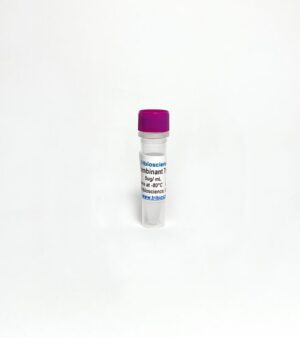
Recombinant human Tryptase alpha/beta-1 protein, Enzyme Activity (TBP0099)
Price range: $210.00 through $640.00Select optionsQuick View -