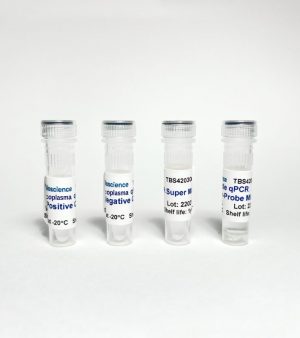
Mycoplasma DNA extraction
Mycoplasma DNA extraction
Mycoplasma DNA extraction is a critical step in detecting Mycoplasma contamination in cell cultures, biological products, and samples. Efficient extraction ensures that the resulting DNA is pure, intact, and suitable for downstream applications such as quantitative PCR (qPCR). Modern Mycoplasma DNA extraction approaches emphasize simplicity and speed, allowing for the isolation of high-quality nucleic acids without the need for complex purification steps. These rapid methods often use optimized lysis buffers or enzyme-based systems that effectively release Mycoplasma DNA while minimizing degradation and contamination.
Compatibility with simple and rapid extraction methods is essential for efficient qPCR analysis. Since qPCR relies on the amplification of target Mycoplasma genomic sequences, inhibitors introduced during the extraction process can significantly affect sensitivity and accuracy. Extraction methods designed to be compatible with qPCR use reagents and protocols that eliminate these inhibitors, producing DNA templates ready for amplification without additional cleanup. Such compatibility not only reduces sample preparation time but also improves reproducibility and reliability in detecting low-level Mycoplasma contamination.
Furthermore, the integration of quick Mycoplasma DNA extraction methods with qPCR workflows supports high-throughput testing environments, such as quality control laboratories and research facilities. By enabling direct or semi-direct amplification from crude lysates, these techniques streamline the workflow and reduce the need for specialized equipment or technical expertise. The result is a more efficient and cost-effective diagnostic pipeline that maintains high sensitivity and specificity, ensuring reliable detection of Mycoplasma contamination across a wide range of biological samples.
-
RT-PCR Kits
Mycoplasma Detection qPCR Kit (TBS42030)
Price range: $239.00 through $476.00Select optionsQuick View