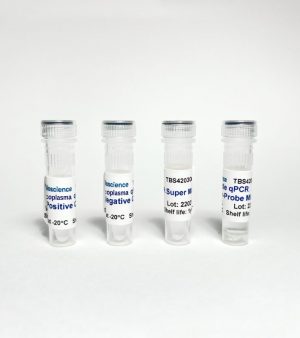
Mycoplasma detection qPCR
Mycoplasma detection qPCR
Quantitative PCR (qPCR) is widely recognized as one of the most sensitive and reliable methods for Mycoplasma detection, making it an essential tool for quality control in research and production environments. Unlike traditional culture-based assays, which are time-consuming and may miss low-level contamination, qPCR enables rapid, specific, and highly sensitive identification of Mycoplasma DNA. This ensures early detection of contamination, preventing costly experimental errors or compromised products. Its precision and reproducibility make it ideal for routine monitoring of cell cultures, media, and raw materials.
The Mycoplasma detection qPCR assay plays a crucial role in safeguarding the integrity of biological systems, particularly in cell culture and fetal bovine serum (FBS) media, where contamination can drastically affect research outcomes and therapeutic development. Because qPCR can detect even trace amounts of Mycoplasma, it offers confidence in maintaining contamination-free cultures, which is vital for applications ranging for biopharmaceutical research. The ability to screen large numbers of samples quickly also makes qPCR practical for laboratories and manufacturing facilities where strict quality standards are required.
Beyond cell culture, qPCR-based Mycoplasma detection is increasingly important for diverse industries, including agriculture, food safety, and natural products. In crops and derivatives such as cannabis, herbs, and grains, undetected contamination can threaten both consumer safety and product quality. Similarly, in animal feed and herbal supplements, contamination may impact animal health and violate regulatory standards. By applying a sensitive and robust qPCR assay, producers can ensure their raw materials and finished products meet safety and quality requirements, providing a powerful safeguard across multiple sectors.
-
RT-PCR Kits
Mycoplasma Detection qPCR Kit (TBS42030)
Price range: $239.00 through $476.00Select optionsQuick View