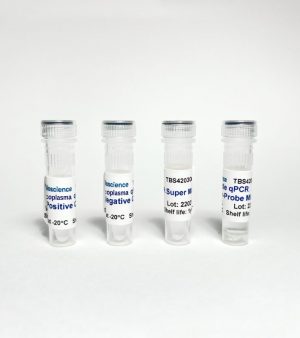
Mycoplasma cell culture testing
Mycoplasma cell culture testing
Mycoplasma cell culture testing is a critical quality control step in biological research and biomanufacturing, as contamination can severely compromise experimental results and production outcomes. Mycoplasma species are among the most common contaminants in mammalian and plant cell cultures, often going undetected because they lack a cell wall and do not cause visible changes in culture media. Their presence can alter cellular metabolism, gene expression, and growth rates, leading to misleading data and reduced reliability of scientific findings. For this reason, laboratories and production facilities must adopt sensitive and specific methods to detect Mycoplasma contamination before it impacts valuable cell lines or biopharmaceutical products.
Modern Mycoplasma cell culture testing methods combine high sensitivity with strong specificity, ensuring that even low-level contaminations can be identified with confidence. Techniques such as PCR-based assays, luminescence-based detection, and enzyme-linked methods provide rapid and accurate results, surpassing older approaches like culture isolation or DNA staining in speed and precision. These advanced technologies can detect a wide range of Mycoplasma strains across both mammalian and plant cell cultures, giving researchers and manufacturers robust assurance of culture purity. By reducing false positives and negatives, they enable better decision-making and safeguard the integrity of ongoing research and production workflows.
Implementing reliable Mycoplasma testing not only prevents costly losses of contaminated cultures but also ensures compliance with regulatory standards in pharmaceutical and biotechnological applications. In mammalian systems, contamination can interfere with protein expression or viral vector production, while in plant cell cultures, it can hinder tissue regeneration and metabolite synthesis. High-sensitivity, high-specificity assays provide a dependable defense against these risks, helping to maintain reproducibility, protect scientific credibility, and support safe product development. Ultimately, Mycoplasma cell culture testing serves as an essential safeguard for laboratories, ensuring that cultures remain free from one of the most pervasive and damaging hidden contaminants.
-
RT-PCR Kits
Mycoplasma Detection qPCR Kit (TBS42030)
Price range: $239.00 through $476.00Select optionsQuick View