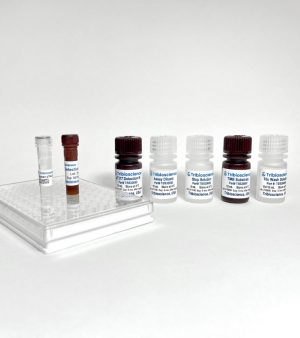
Pt217
Importance of pT217 in Distinguishing Alzheimer’s from Other Neurodegenerative Disorders
High Diagnostic Accuracy
Studies have demonstrated that plasma pT217 offers superior discriminative accuracy in identifying AD compared to other biomarkers. For instance, a study involving 1,402 participants found that plasma pT217 distinguished neuropathologically defined AD from non-AD conditions with an area under the curve (AUC) of 0.89, outperforming plasma p-tau181 and neurofilament light chain (NfL) (AUC range, 0.50-0.72). This high diagnostic accuracy makes pT217 a valuable tool in clinical settings. Its ability to differentiate AD from other neurodegenerative diseases enhances its utility in early diagnosis. Moreover, the superior performance of pT217 over other biomarkers underscores its potential in clinical practice.
Correlation with Disease Pathology
Plasma pT217 levels correlate strongly with AD-related brain changes, such as amyloid and tau deposits. This correlation enhances its utility in clinical settings, as elevated pT217 levels are associated with the presence of amyloid plaques and tau tangles, key pathological features of AD. The strong correlation between pT217 levels and disease pathology supports its role as a reliable biomarker. This relationship aids in understanding the progression of AD. Additionally, the correlation with disease pathology underscores the biological relevance of pT217 in AD.
Potential for Early Detection and Monitoring
Elevated plasma pT217 levels have been observed in individuals with genetic mutations linked to AD, even before the onset of clinical symptoms. This suggests that pT217 could serve as an early biomarker, facilitating early diagnosis and enabling timely interventions. The potential for early detection is particularly valuable in clinical practice. It allows for interventions that may slow disease progression. Furthermore, early detection can lead to better management of the disease. The ability to monitor disease progression through pT217 levels also aids in assessing the effectiveness of treatments.