Phospho Tau 181
Phospho Tau 181
Phospho Tau 181 is a form of the tau protein that has undergone phosphorylation at the threonine 181 residue. Tau proteins are primarily located in neurons, where they play a crucial role in stabilizing microtubules—structures essential for maintaining cell shape and facilitating intracellular transport. Phospho Tau 181 is a common post-translational modification of tau, regulating its binding affinity to microtubules and, consequently, its functional state within the neuron.
In certain neurodegenerative conditions, tau proteins can become abnormally hyperphosphorylated, leading to their detachment from microtubules. This detachment disrupts microtubule stability and can result in the aggregation of tau into insoluble fibrils. The phosphorylation at threonine 181 (Phospho Tau 181) is one of several sites that have been identified as contributing to these pathological changes. Elevated levels of Phospho Tau 181 have been observed in various neurodegenerative diseases, indicating its potential role in the progression of these disorders.
The detection of Phospho Tau 181 in biological fluids, such as cerebrospinal fluid and blood, has garnered interest for its potential as a biomarker in neurodegenerative disease research. Advancements in assay technologies have enabled the measurement of Phospho Tau 181 concentrations, providing insights into disease mechanisms and aiding in the development of therapeutic strategies. Understanding the dynamics of Phospho Tau 181 is essential for elucidating the complex processes underlying neuronal degeneration and for the advancement of clinical diagnostics.
-
-
 Antibodies
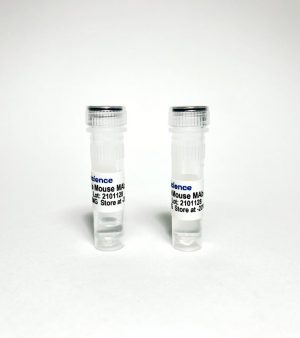
Phospho-Tau Thr181 (p-tau181) Mouse Monoclonal Antibody for ELISA, Western Blot and IHC (TBS10034)
Price range: $480.00 through $1,900.00Select optionsQuick View -
Antibodies
Phospho-Tau Thr181 (p-tau181) Rabbit Monoclonal Antibody for ELISA, Western Blot and IHC (TBS10193)
Price range: $450.00 through $960.00Select optionsQuick View