Glucosaminidase Enzyme Activity
Glucosaminidase Enzyme Activity
Glucosaminidases are crucial lysosomal enzymes responsible for the degradation of glycoproteins and glycosaminoglycans. These enzymes cleave N-acetylglucosamine residues from various substrates, facilitating the breakdown and recycling of complex molecules within the lysosome. Proper glucosaminidase activity ensures cellular homeostasis by preventing the accumulation of undegraded substrates that can disrupt normal cellular functions.
Impaired glucosaminidase activity has been linked to several lysosomal storage diseases. For instance, mutations in the NAGLU gene, which encodes alpha-N-acetylglucosaminidase, lead to mucopolysaccharidosis type IIIB (Sanfilippo syndrome B). This disorder is characterized by the accumulation of heparan sulfate in lysosomes, resulting in progressive neurological decline. Similarly, deficiencies in aspartylglucosaminidase, due to mutations in the AGA gene, cause aspartylglucosaminuria, leading to intellectual disabilities and skeletal abnormalities. These conditions underscore the importance of glucosaminidase enzymes in maintaining lysosomal function and overall cellular health.
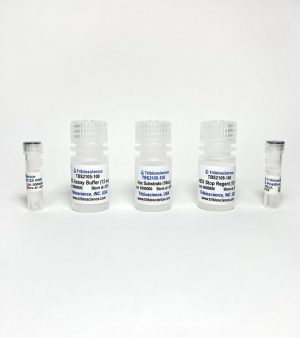
Assessing glucosaminidase activity is vital for diagnosing and monitoring these lysosomal storage diseases. Tribioscience offers a Beta-N-Acetylglucosaminidase (Beta-NAG) Activity Colorimetric Assay (TBS2105), which provides a reliable method for measuring enzyme activity. Such assays are essential tools in research settings, enabling early detection and facilitating timely therapeutic interventions. By quantifying enzyme activity, healthcare professionals can better understand disease progression and tailor treatments to individual patient needs, ultimately improving patient outcomes.
-
Biochemical Assays
Beta-N-Acetylglucosaminidase (Beta-NAG) Activity Colorimetric Assay (TBS2105)
Price range: $290.00 through $490.00Select optionsQuick View