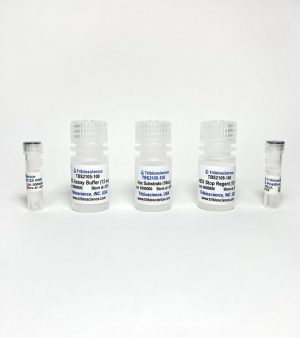
Beta-NAG Analysis Kit
Beta-NAG Analysis Kit
Choosing the right Beta-N-Acetylglucosaminidase (Beta-NAG) analysis kit is essential for researchers aiming to obtain accurate and reproducible results. One of the primary considerations is the kit’s sensitivity and specificity, as these factors determine its ability to detect Beta-NAG activity without interference from other enzymatic reactions. Additionally, researchers should evaluate the kit’s dynamic range to ensure it can accurately measure varying levels of Beta-NAG in different biological samples. Selecting a kit with high precision and minimal background noise is crucial for reliable quantification.
Another important factor is the kit’s compatibility with different sample types, such as serum, urine, or tissue homogenates. Researchers must ensure that the chosen kit is optimized for their specific experimental setup to prevent inconsistencies. Furthermore, the kit’s ease of use plays a significant role in laboratory efficiency—kits with straightforward protocols, pre-prepared reagents, and minimal hands-on time can save researchers valuable time while reducing the risk of errors. Validation data from peer-reviewed studies or manufacturer-provided performance metrics can also help in making an informed decision.
Cost-effectiveness should not be overlooked, especially for researchers working within budget constraints. While higher-priced kits may offer superior sensitivity or ease of use, it is important to balance quality with affordability. Reviewing user feedback and technical support availability can further aid in selecting a reliable kit that meets research needs. By carefully considering these factors, researchers can choose a Beta-NAG analysis kit that ensures accuracy, efficiency, and cost-effectiveness in their studies.
-
Biochemical Assays
Beta-N-Acetylglucosaminidase (Beta-NAG) Activity Colorimetric Assay (TBS2105)
Price range: $290.00 through $490.00Select optionsQuick View