ATP Quantification
ATP Quantification
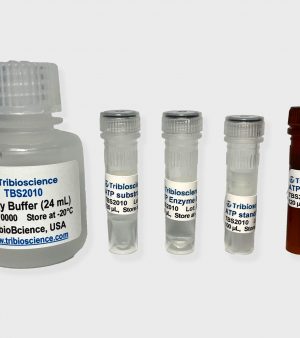
ATP quantification is a widely used method for assessing cellular energy levels and viability in biological samples. The process involves measuring the amount of adenosine triphosphate (ATP), the primary energy carrier in cells, through a bioluminescent reaction typically involving luciferase. Reliable quantification of ATP is essential for applications such as cytotoxicity testing, microbial contamination monitoring, and cell proliferation studies. As outlined in the TriBioScience ATP Assay protocol (TBS2010), key factors that influence the consistency and reliability of ATP measurements include sample preparation, reagent stability, and the sensitivity of the detection equipment.
One of the most critical considerations in ATP quantification is ensuring proper sample handling and preparation. ATP is highly unstable and can degrade rapidly, especially under non-ideal conditions such as high temperatures or prolonged exposure to light. To preserve ATP levels, samples must be processed quickly and kept cold or frozen if immediate analysis is not possible. Additionally, cellular lysis methods must be optimized to ensure efficient ATP release without introducing inhibitors or enzymes that could degrade ATP or interfere with the luciferase reaction. The use of standardized protocols and timing is essential to minimize variability and enhance reproducibility across assays.
Reagent quality and instrument calibration are also pivotal for reliable results. The luciferase-based detection reagents used in ATP assays are sensitive to temperature and pH, and must be stored and handled according to the manufacturer’s specifications to maintain activity. The TriBioScience ATP assay guide emphasizes the importance of using freshly prepared working solutions and validating the linearity and sensitivity of the luminometer before each experiment. Calibration with ATP standards is necessary to generate accurate quantitative data. Consistent pipetting, minimizing cross-contamination, and using appropriate controls further contribute to the accuracy and precision of ATP quantification assays.