Beta-NAG Substrate Analysis
Beta-NAG Substrate Analysis
Developing high-precision strategies for β-N-Acetylglucosaminidase (Beta-NAG) substrate analysis is pivotal in enzyme function studies, particularly for applications in drug discovery and therapeutic interventions. Fluorescence-based real-time enzyme assays have been developed to facilitate high-throughput screening (HTS) of extensive compound libraries. For instance, a fluorescence-based assay was employed to screen a library of 50,000 drug-like compounds, leading to the identification of novel inhibitors of human Hex, a form of Beta-NAG. This approach underscores the utility of HTS in rapidly identifying potential therapeutic compounds targeting Beta-NAG.
Advancements in substrate engineering have further enhanced the precision of Beta-NAG activity assays. By designing substrates that release measurable chromogenic or fluorogenic products upon enzymatic cleavage, researchers can achieve more accurate quantification of enzyme activity. These engineered substrates improve sensitivity and specificity, enabling the detection of subtle variations in Beta-NAG activity, which is essential for elucidating its role in various physiological and pathological processes.
Incorporating these high-precision strategies into enzyme function studies not only deepens our understanding of Beta-NAG’s biological roles but also accelerates the development of targeted therapies. The integration of HTS methodologies and advanced substrate designs facilitates the efficient identification of enzyme modulators, paving the way for novel treatments for diseases associated with Beta-NAG dysregulation. Continued refinement of these analytical techniques will enhance their applicability in research settings, ultimately contributing to improved patient outcomes.
-
Biochemical Assays
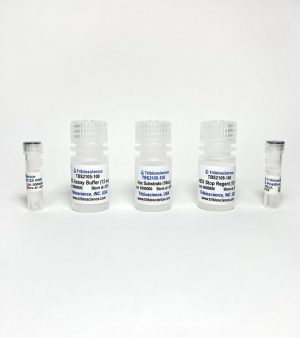
Beta-N-Acetylglucosaminidase (Beta-NAG) Activity Colorimetric Assay (TBS2105)
Price range: $290.00 through $490.00Select optionsQuick View