Rapid Tryptase Testing
Rapid Tryptase Testing
Rapid tryptase testing has emerged as a pivotal advancement in allergy diagnostics, offering clinicians a swift and reliable method to assess mast cell activation. Tryptase, a protease enzyme predominantly stored in mast cells, plays a crucial role in allergic responses. Elevated serum tryptase levels are indicative of mast cell activation, which is central to conditions such as anaphylaxis and systemic mastocytosis. Traditional testing methods often require extended processing times, potentially delaying critical clinical decisions. The advent of rapid tryptase assays addresses this challenge by providing timely results, thereby facilitating prompt and accurate diagnosis of allergic reactions.
Innovations in rapid tryptase testing have led to the development of highly sensitive and specific assays. For instance, colorimetric assays utilize colorigenic substrates that, upon cleavage by tryptase, release a signal proportional to the enzyme’s activity. This real-time monitoring capability allows researchers to assess tryptase activity in various biological samples, including cell lysates and supernatants. Such advancements not only enhance the accuracy of diagnostics but also streamline the workflow in clinical laboratories, ensuring that patients receive timely and appropriate care.
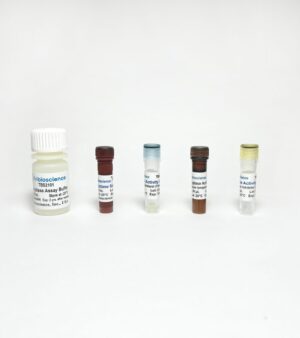
Companies like Tribioscience have been at the forefront of these innovations, offering a range of rapid tryptase testing solutions. Their assays are designed for high sensitivity and specificity, enabling researchers to detect and quantify tryptase levels efficiently. By integrating these advanced tools into research, researchers can improve patient outcomes through quicker diagnosis and treatment of allergic conditions. The continuous evolution of rapid tryptase testing underscores its significance in modern allergy diagnostics, reflecting a commitment to enhancing patient care through technological innovation.
-
 Protein and Peptide
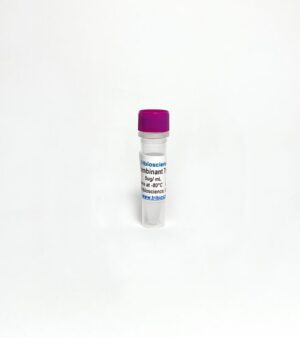
Recombinant human Tryptase alpha/beta-1 protein, Enzyme Activity (TBP0099)
Price range: $210.00 through $640.00Select optionsQuick View -