XTT incubation time
XTT incubation time
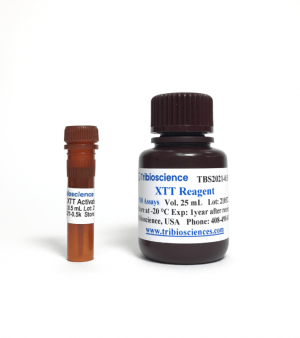
The XTT incubation time plays a critical role in ensuring the accuracy and sensitivity of the XTT Cell Viability Assay offered by TribioScience. During the assay, cells are typically exposed to the XTT working solution for a period of 2 to 4 hours at 37°C. This duration allows mitochondrial oxidoreductases present only in viable cells to reduce the yellow tetrazolium salt (XTT) into an orange, water-soluble formazan dye. The extent of formazan formation, and thus the strength of the color signal, is directly influenced by how long the cells interact with the reagent.
Optimizing the incubation time within the recommended 2- to 4-hour window is essential for obtaining reliable and reproducible results. A shorter incubation might result in insufficient color development, especially in samples with lower cell densities, leading to underestimation of cell viability. Conversely, extending incubation too long could increase background signal or lead to overdevelopment, potentially compromising the assay’s specificity. Therefore, adjusting the incubation time based on experimental conditions and cell types can significantly enhance the assay’s performance in applications ranging from cytotoxicity testing to drug screening.
The assay’s simplicity and flexibility make it particularly well-suited for high-throughput testing scenarios. The straightforward addition of the XTT working solution, followed by a 2- to 4-hour incubation, eliminates the need for additional reagents or wash steps. This streamlined process enables researchers to easily monitor cellular responses to a variety of stimuli, including growth factors and anticancer drugs, by simply measuring absorbance at 450 nm. Ultimately, the duration of XTT incubation serves as a key parameter in achieving optimal colorimetric quantification of viable cells.
-
 Biochemical Assays
XTT Cell Viability Assay (TBS2021)
Price range: $98.00 through $189.00Select optionsQuick View