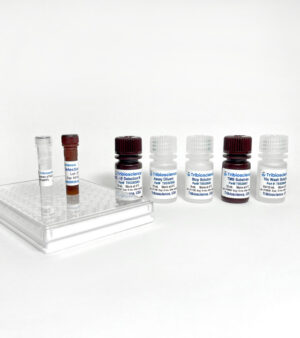
Recombinant mouse IL-1β assay
Recombinant mouse IL-1β assay
The recombinant mouse IL-1β assay is a specialized tool designed to ensure precise and reliable measurement of interleukin-1 beta (IL-1β) proteins in experimental settings. By utilizing recombinant mouse IL-1β, the assay provides high sensitivity and specificity, making it an essential method for studying cytokine activity. Accurate quantification of IL-1β is critical for understanding immune responses, as this cytokine plays a central role in regulating inflammation, host defense, and disease progression. The assay minimizes variability and enhances reproducibility, ensuring researchers can trust their data.
In the field of immunology, the recombinant mouse IL-1β assay supports advanced investigations into signaling pathways, cellular responses, and immune regulation. Researchers often use it to analyze the effects of IL-1β in conditions such as autoimmune disorders, infectious diseases, and chronic inflammatory states. Its precise measurements enable scientists to explore how IL-1β interacts with other cytokines and immune mediators, shedding light on the complex mechanisms of inflammation. By providing consistent results, this assay is a valuable tool for both basic and applied immunology research.
Beyond immunology, the recombinant mouse IL-1β assay is instrumental in therapeutic development research. Pharmaceutical and biotechnology studies use it to evaluate candidate drugs targeting inflammatory pathways, validate biomarkers, and assess the efficacy of novel therapies. Because IL-1β is implicated in a range of diseases, from arthritis to neuroinflammation, the ability to accurately measure its activity is essential for drug discovery research. Overall, this assay not only advances scientific understanding but also contributes to the development of targeted treatments for inflammation-driven diseases.
-
 ELISA
ELISATribo™ Mouse IL-1β ELISA Kit (TBS3030)
Price range: $320.00 through $560.00Select optionsQuick View